
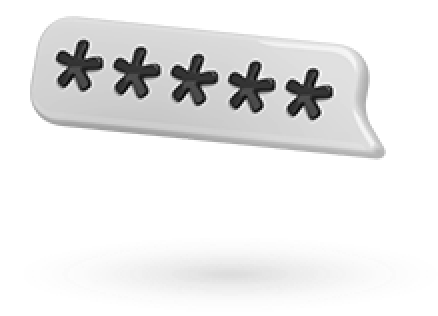
Giving out your PIN over the phone is like leaving your key under the doormat

Phishing is not fishing, but we will teach you how to avoid the bait

That password you hate so much is actually your most secure one
Don't let fake online stores charge you

If a job offer seems too incredible to be true, it probably is

If a family member has lost their phone and asks for money urgently via WhatsApp, it's wise to be wary!

Getting a Bizum? Make sure they're not actually requesting one from you

Your money is unlikely to double in 3 months. Be cautious with opportunities and don't invest in scams

If your bank rings you about a very urgent fraud, be suspicious and hang up on the vishing scam!

Not all SMS messages are well intentioned. Protect yourself from smishing.

If you lose your phone, don’t lose control: block your accounts instantly.

If you're asked for your card details, make sure it’s not so others can shop with it.
When the boss is away and "needs you" for an urgent transfer, don't pay the price.

If a supplier "changes" their account unexpectedly, be suspicious and don't make a payment that will never arrive.

Watch out for cybercriminals, they don't go on holiday

Work for your company, not for cybercriminals

Recognise the bait, avoid the hook
We reveal the frauds and scams circulating and the hidden intentions of cybercriminals. Discover them and don't get caught in their net!
Giving out your PIN over the phone is like leaving your key under the doormat
Phishing is not fishing, but we will teach you how to avoid the bait
That password you hate so much is actually your most secure one
Don't let fake online stores charge you
If a job offer seems too incredible to be true, it probably is
If a family member has lost their phone and asks for money urgently via WhatsApp, it's wise to be wary!
Getting a Bizum? Make sure they're not actually requesting one from you
Your money is unlikely to double in 3 months. Be cautious with opportunities and don't invest in scams
If your bank rings you about a very urgent fraud, be suspicious and hang up on the vishing scam!
Not all SMS messages are well intentioned. Protect yourself from smishing.
If you lose your phone, don’t lose control: block your accounts instantly.
If you're asked for your card details, make sure it’s not so others can shop with it.
Company
When the boss is away and "needs you" for an urgent transfer, don't pay the price.
Company
If a supplier "changes" their account unexpectedly, be suspicious and don't make a payment that will never arrive.
Vacation
Watch out for cybercriminals, they don't go on holiday
Vacation
Work for your company, not for cybercriminals

Giving out your PIN over the phone is like leaving your key under the doormat
Cybercriminal

Translation
Common social engineering scam techniques involve sending deceptive SMS messages, emails, or phone callss that appear to come from legitimate entities, aiming to obtain your personal and confidential information, such as passwords, card numbers, or banking details.
These messages often contain fraudulent links asking you to review a supposed issue or cancel a suspicious transaction on your account.
In the case of calls, the phone number of your institution might even appear through spoofing techniques.
Phishing is not fishing, but we will teach you how to avoid the bait
Cybercriminal
Translation
It's a computer crime that features the attempt to fraudulently acquire confidential information, such as the password to your bank accounts or detailed information on your credit cards.
The most common forms of phishing are over the phone, via email, or social media. By impersonating a well-known bank, company, or institution to maliciously obtain your personal data or banking information.
Cybercriminals use any pretext to get the user to update their information through links that mimic the website of the bank or a well-known company.
A common phishing scam involves impersonating courier companies through fake emails or messages. The message informs the user that a package delivery attempt was unsuccessful and requests scheduling a new delivery date. In some cases, they also mention the need to pay customs fees.
That password you hate so much is actually your most secure one
Cybercriminal
Translation
If cybercriminals obtain our username and password, they can access all our information and even post on our behalf on social media, read and respond to emails, and even view our bank account balance.
We recommend following these tips to ensure the maximum security of your information.
Don't let fake online stores charge you
Cybercriminal
Translation
Shopping online is quick, easy and convenient. Immediate access to digital services has significantly improved our lives, but it has also led to the proliferation of various types of scams.
Below, we explain the key points to make your online shopping experience as secure and pleasurable as possible.
Be wary of job offers that seem to incredible to be true
Cybercriminal
Translation
Watch out for these fake job offers. Instant messaging platforms and social networks have become increasingly popular tools for scammers.
They often contact people from an unknown number, pretending to be an HR representative or a well-known employment agency.
They offer jobs such as liking posts on social media or managing transfers. They start with small amounts, gaining the victim’s trust. Be cautious!
If a family member has lost their phone and asks for money urgently via WhatsApp, it's wise to be wary!
Cybercriminal
Translation
Many users are falling for a scam spreading via WhatsApp. They receive a message from an unknown number, asking for money under some pretext. To persuade victims to make transfers or payments, scammers impersonate their family members, claiming they’ve changed their number due to issues with their previous line, such as having dropped it, lost their wallet, or broken their phone, etc.
Getting a Bizum? Make sure they're not actually requesting one from you
Cybercriminal
Translation
Watch out for this new fraud trick that is circulating! This type of scam is very common in buying and selling transactions on second-hand product apps. Scammers pose as interested buyers of what you are selling and tell you they want to pay using the Bizum app. But instead of sending you the payment, they send you a request to pay them. If you fall for it and accept, you will end up paying the supposed buyer instead of receiving the money.
Your money is unlikely to double in 3 months. Be cautious with opportunities and don't invest in scams
Cybercriminal
Translation
If you receive an investment proposal by email, on social networks, or by phone, be wary of it.
Investment scams offer opportunities that promise high returns with a very low initial investment and no risk. They come from contacts the scammers find through social media, email, online ads, or even WhatsApp.
They purport to provide personalised advice for free. If something seems too good to be true, be wary!
If your bank rings you about a very urgent fraud, be suspicious and hang up on the vishing scam!
Cybercriminal
Translation
Vishing is a telephone scam where the criminal can impersonate your bank's identity, even their telephone number, to steal the victim's savings.
They normally report false fraudulent transaction attempts or suspicious movements in your account and request that you make a transfer to a safe account” to safeguard your money. Sometimes they warn that some security incident has occurred with online banking and, to "protect" the compromised account, they ask for information such as access codes. ometimes this call is even accompanied by a prior text message, also fraudulent, to make the deception more convincing.
Even though they contact you by telephone, you should never give your personal information or carry out transactions you hadn't intended to make through unsolicited calls.
Not all SMS messages are well intentioned. Protect yourself from smishing
Cybercriminal
Translation
Smishing is a fraudulent technique that uses deceptive text messages (SMS) in which cybercriminals impersonate legitimate companies or institutions, such as your bank. Its purpose is to obtain your personal and sensitive data: passwords, card numbers or banking information. In the event of a suspicious SMS, do not call the indicated phone number or click on any link: always verify its authenticity.
If you lose your phone, don’t lose control: block your accounts instantly.
Cybercriminal
Translation
If you lose your mobile phone or it is stolen, you need to act quickly. Pickpocketing is on the rise and can put your personal and financial information at risk, especially if your cards or ID are also stolen. Notify your bank as soon as possible to block your cards and online banking.
If you're asked for your card details, make sure it’s not so others can shop with it.
Cybercriminal
Translation
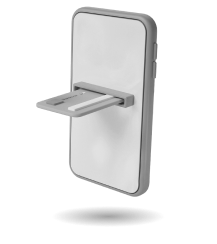
The "card linking scam" aims to link your payment card to a mobile device or digital wallet without your permission. This way, they can make unauthorised purchases with your card.
When the boss is away and "needs you" for an urgent transfer, don’t pay the price.
Cybercriminal
Translation
Pay special attention to this identity theft method in the business environment. CEO Fraud or Manager Fraud involves impersonating a senior executive of the company, sending a payment order to an employee, and requesting that it be processed immediately under the pretext of an important or urgent operation.
If a supplier "changes" their account unexpectedly, be suspicious and don't make a payment that will never arrive.
Cybercriminal
Translation
Cybercriminals use social engineering techniques to impersonate legitimate suppliers.
They send emails or make false calls that appear to come from a trustworthy company, in order to obtain confidential information or change payment details. Sometimes they ask to update banking details and redirect payments to fraudulent accounts.
Be careful with the fake links and numbers they often include in their messages.
TIPS
- Investigate the authenticity of holiday rentals before making any payment.
- Check the photographs well. If there are very few, they are of poor quality, or appear to be stolen, it is a scam.
- If communication through the platform becomes difficult and they offer to switch to a different channel, be wary.
- Don't share personal or financial information on untrustworthy websites or in response to suspicious emails.
TIPS
- Verify the authenticity of money requests from friends or family before making any transfers.
- If someone claiming to be a relative asks for money, contact them through a secure channel (call their usual phone number) to confirm the situation.
TIPS
- Verify the authenticity of the sender before making any transfers.
- Communicate with the person through a secure channel (call them on their usual contact number).
TIPS
- Reinforce verification of emails and calls.
- Verify the authenticity of the request before making any transfers.
- Communicate with the person through a secure channel (call them on their usual contact number).